The Importance of Education for All Children
Education opens doors. It nurtures curiosity, builds confidence, and empowers children to shape their own lives. For children in underserved communities, it can mean the difference between being confined by circumstance and discovering the freedom to explore, imagine, and create.
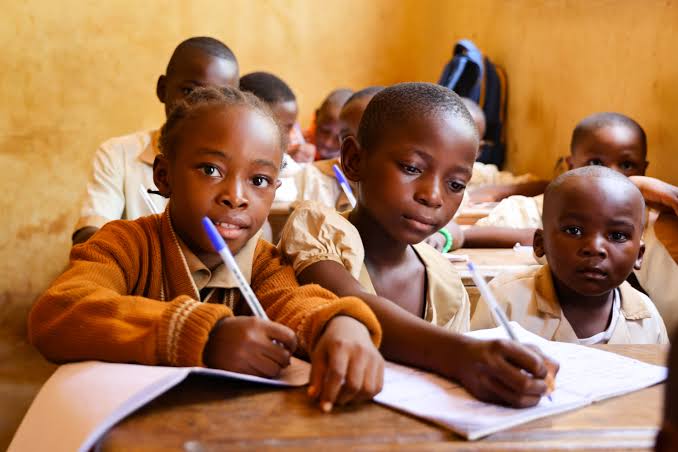
Across CRY project areas, 95% of children aged 6–18 are now in school, a figure that reflects not only the children’s determination but also the collective effort of families, communities, and CRY’s programs to protect their right to learn. Even for adolescents between 15–18 years, enrolment and retention is 18% higher than the national average (UDISE+ 2023-24). These numbers tell a story of hope—a story that begins when a child steps into a classroom with the promise of knowledge and the support to stay the course.
Why Education Is a Fundamental Right for Every Child
The Right to Education (RTE) Act, 2009, guarantees free and compulsory schooling for children up to 14 years of age. Yet, many children—especially as they grow older—face barriers that prevent them from completing higher grades. Economic pressures, long distances to schools, societal expectations, and insufficient infrastructure can all pull children away from classrooms.
Despite these challenges, CRY’s initiatives ensure that children continue learning, retaining the joy of discovery, and building skills that can shape their future. In the communities we serve, 83% of adolescents aged 15–18 are now in school, and 84% of students transition from grade 12 to higher education, proving that with support, children can overcome obstacles and realize their potential.
CRY's Mission: Ensuring Inclusive Education for Every Child
CRY’s work is rooted in the belief that education should be inclusive, accessible, and meaningful for every child. We aim to protect and preserve the educational journey of children who face challenges in staying in school.
From enrolment drives that ensure no child is left out, to remedial programs for those who have fallen behind, CRY works to create pathways for children to learn and thrive. Schools are strengthened, teachers are trained, and communities are engaged—so that children, regardless of where they come from, can enjoy learning in a safe and supportive environment.
Key Achievements in Education
The impact of these efforts is tangible. In CRY project areas:
95% of children aged 6–18 are in school.
99% of adolescent girls aged 11–18 are protected from child marriage.
Enrollment and retention for children aged 15–18 is 18% higher than the national GER.
This quarter alone, CRY reached 2.23 million children, ensuring they continue their journey in school and beyond.
These figures are more than numbers—they represent children whose education, dreams, and futures are being safeguarded.
The Challenges Children Face in Accessing Education
While progress has been made, challenges remain. Children in rural and urban communities often navigate:
Long distances to schools and unsafe routes
Schools lacking basic infrastructure or learning materials
Economic pressures that push them toward work instead of study
Interruptions in schooling due to migration or family circumstances
Overcoming these barriers requires more than policy—it demands a sustained, compassionate effort. And that is precisely what CRY’s programs strive to provide: a support system that keeps children learning and dreaming.